A Day on Foot in Bath: History, Good Food and Time to Enjoy Both
October 14, 2026
Some cities make you feel you ought to hurry. Bath gives you a good reason to slow down. There is a Roman bathing pool to explore, a bridge lined with shops and a hillside of handsome old houses. Between them are places to sit, have something to eat and watch the city go about its day.
You can see a great deal on foot without turning the visit into a race. This walk begins with the Roman Baths, then takes you through the streets and gardens with time for lunch and a few rests. You do not have to visit every museum to have a lovely day.
Getting started
Start at Bath Spa railway station, in Bath, Somerset, in southwest England. You will return here at the end of the day. Along the way, the route takes you to the Roman Baths and Abbey, Pulteney Bridge, the Holburne Museum and Sydney Gardens, the Circus, Royal Crescent, Queen Square and Bath Street. Allow approximately 6 kilometres (about 3.7 miles) outdoors, depending on garden wandering, plus walking inside attractions. The route follows the city’s visitor map; distances vary with your detours.
Give yourself seven to nine hours for the whole visit, including the Roman Baths, lunch and plenty of stops. That does not mean seven hours on your feet. The outdoor walking itself should take roughly two hours, with the rest of the day spent looking around and enjoying yourself.
Arriving by train makes this easy: the Roman Baths are only about five to ten minutes from the station. If you drive, look into the park-and-ride services before your visit, including the times of the last buses back.
Morning: start with the water
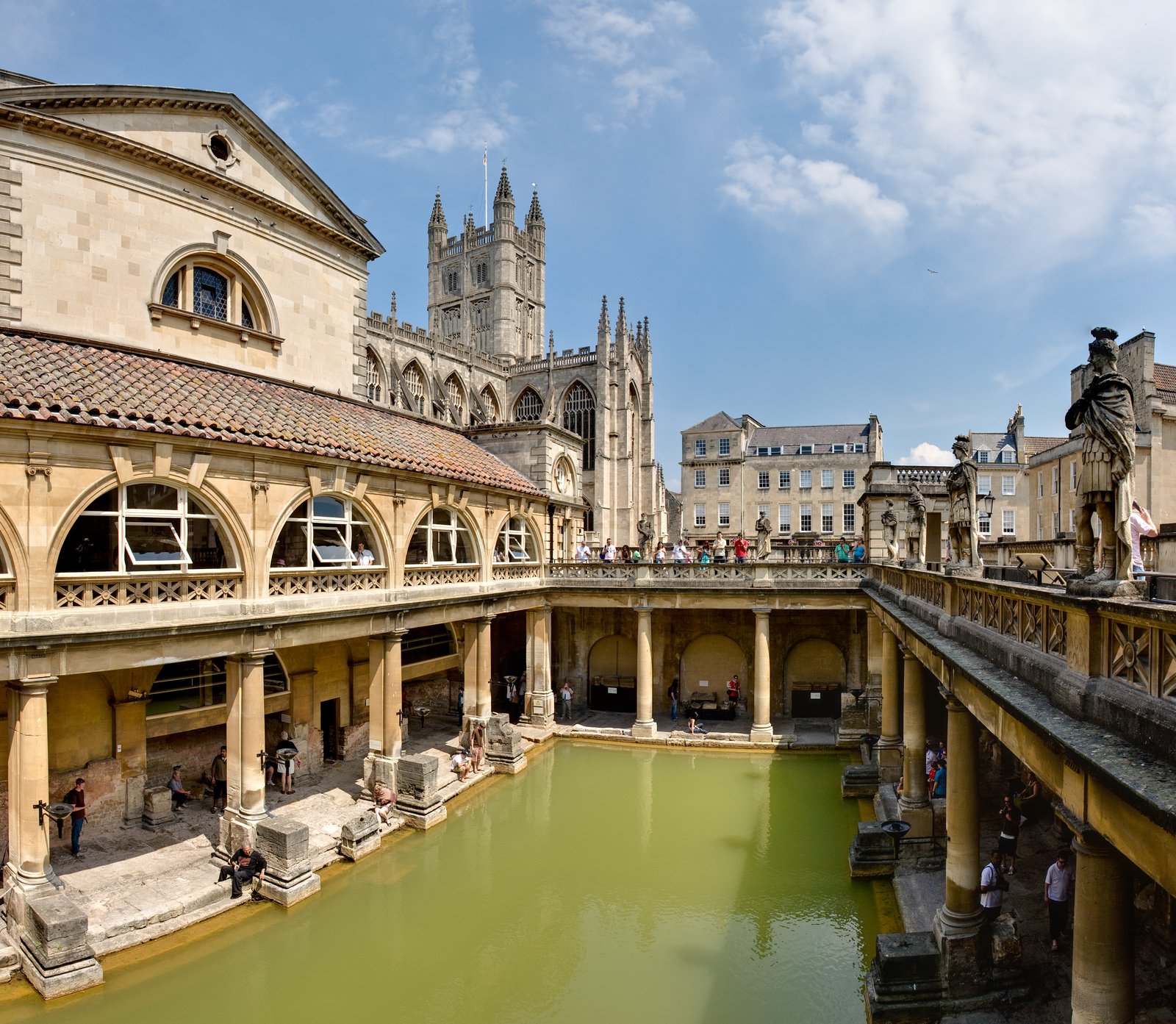
From the station, head through SouthGate towards Stall Street and Abbey Church Yard. Book an early visit to the Roman Baths so you can look around while you are fresh. Book directly and check the opening hours for your date before setting out.
Give yourself around two hours here. The great pool is the sight everyone knows, but the smaller objects help you imagine the people who used this place. Look for the bronze head of Sulis Minerva, the goddess worshipped here, and take time to read the inscriptions. People came here to worship as well as bathe.
The curse tablets are especially interesting. People used them to ask the goddess for help against someone who had wronged them. The buildings may be grand, but these complaints are wonderfully human. They remind you that people centuries ago could be just as annoyed by unfair treatment as we are today.
Enjoy the water from a safe distance. You cannot swim here, and the untreated water in the Great Bath is not safe to touch or drink. If a warm soak sounds appealing, there is a modern spa you can book later in the day.
Bath Abbey is right next door. If it is open, step inside and look up at the ceiling, where the stonework spreads out in delicate fan shapes. Some of that work dates from the sixteenth century and some from the nineteenth. Even a building we think of as ancient has changed over time.
Check the Abbey’s visiting arrangements before you go. It is still a working church, so sightseeing sometimes gives way to services and events. Its published sightseeing hours are currently 10am–5.30pm Monday–Friday, 10am–6pm Saturday and 1pm–3.30pm Sunday. On Sundays, either enjoy the exterior now or return after lunch, before the afternoon’s uphill section; do not leave an intended interior visit until the end of the day.
Towards the river: a bridge disguised as a street
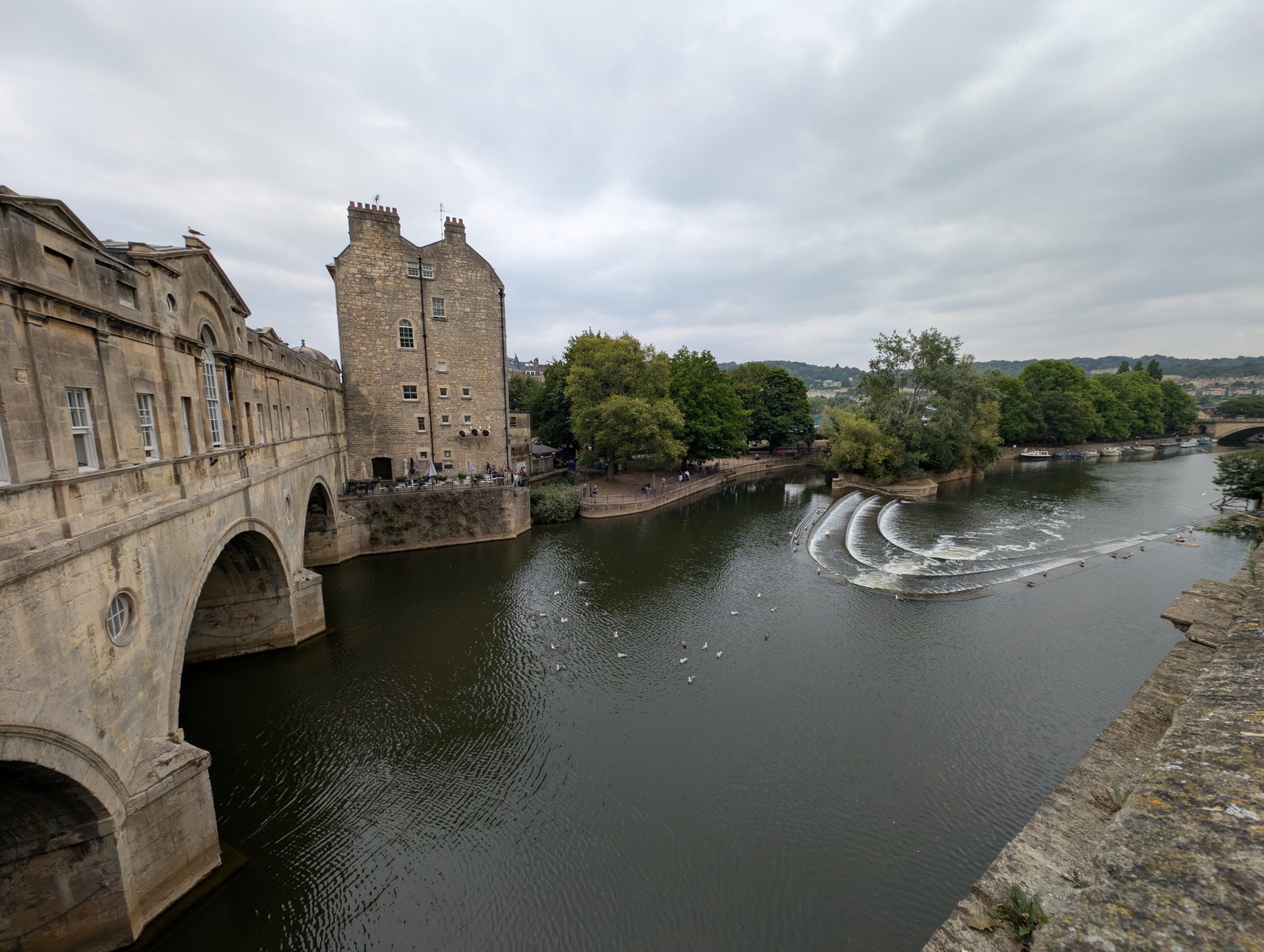
Continue through Orange Grove to Grand Parade, then towards Pulteney Bridge. Pause on the city-centre side before crossing: from here, you can enjoy the bridge and the weir below it before walking across. Keep this route at street level; descending to a riverside path is unnecessary.
Robert Adam’s bridge was built between 1769 and 1774 and carries shops along both sides. With shops on both sides, you can cross it and almost forget there is a river underneath. First enjoy the view from outside, then walk across and see how different it feels.
Across the bridge, continue through Argyle Street and Laura Place into Great Pulteney Street, towards the Holburne Museum. This is a good stretch for simply enjoying the walk. Take in the buildings, stop for a photograph if something catches your eye, and let the next attraction wait a few minutes.
Lunch and a little garden time
The Holburne is a chance to see something newer alongside Bath’s old buildings. The museum reopened in 2011 after renovations that included an extension by Eric Parry Architects. Have a look at the modern addition before you leave. After a morning surrounded by history, it is interesting to see how the city has made room for something new.
This is also a sensible lunch stop. The museum’s café, operated by Graysons, currently serves lunch noon–3pm, with a changing selection of sandwiches, soups, quiches and salads. Coffee, tea and cakes provide a lighter alternative. Published café hours are 10am–5pm, or 11am–5pm on Sundays and bank holidays, with last orders at 4.30pm. Vegan and gluten-free alternatives are listed; discuss specific dietary requirements directly.
You can visit the galleries if you would like to, but you do not have to squeeze them into a busy day. If art is one of your main interests, give the museum more time and shorten the afternoon walk. The museum currently opens daily, with a later Sunday and bank-holiday start, and charges for general admission.
Behind it lie Sydney Gardens, established in 1795 as pleasure gardens. The council describes a gently sloping landscape of open spaces, woodland, waterside walks and ornamental bridges. Take a short circuit, find somewhere to pause and let lunch settle without turning the park into another checklist.
It is also worth knowing where the toilets are before you need them. The council currently lists Sydney Gardens’ public toilets as open 7am–4pm; the park page identifies ordinary toilets as pay-to-use. A Changing Places facility is available with an entrance code obtained through the council’s listed operator. Check arrangements ahead if dependable access is essential.
Up the hill to the Circus and Royal Crescent
Retrace Great Pulteney Street and the bridge, then take Bridge Street, New Bond Street and Milsom Street. Turn along George Street and climb Gay Street to the Circus. This part is uphill, so slow down and stop whenever you need to. There are plenty of interesting buildings to look at while you catch your breath.
The Circus is a circle of grand townhouses built in three curved groups. John Wood the Elder designed it; after his death, his son completed the scheme. Once you have taken in the whole view, look at the carved details. You may spot snakes, acorns and designs connected with the sea.
There is no need to interpret every symbol. Choose one small detail and give it a moment of attention. You may find that one little carving stays with you longer than the photograph of the whole street.
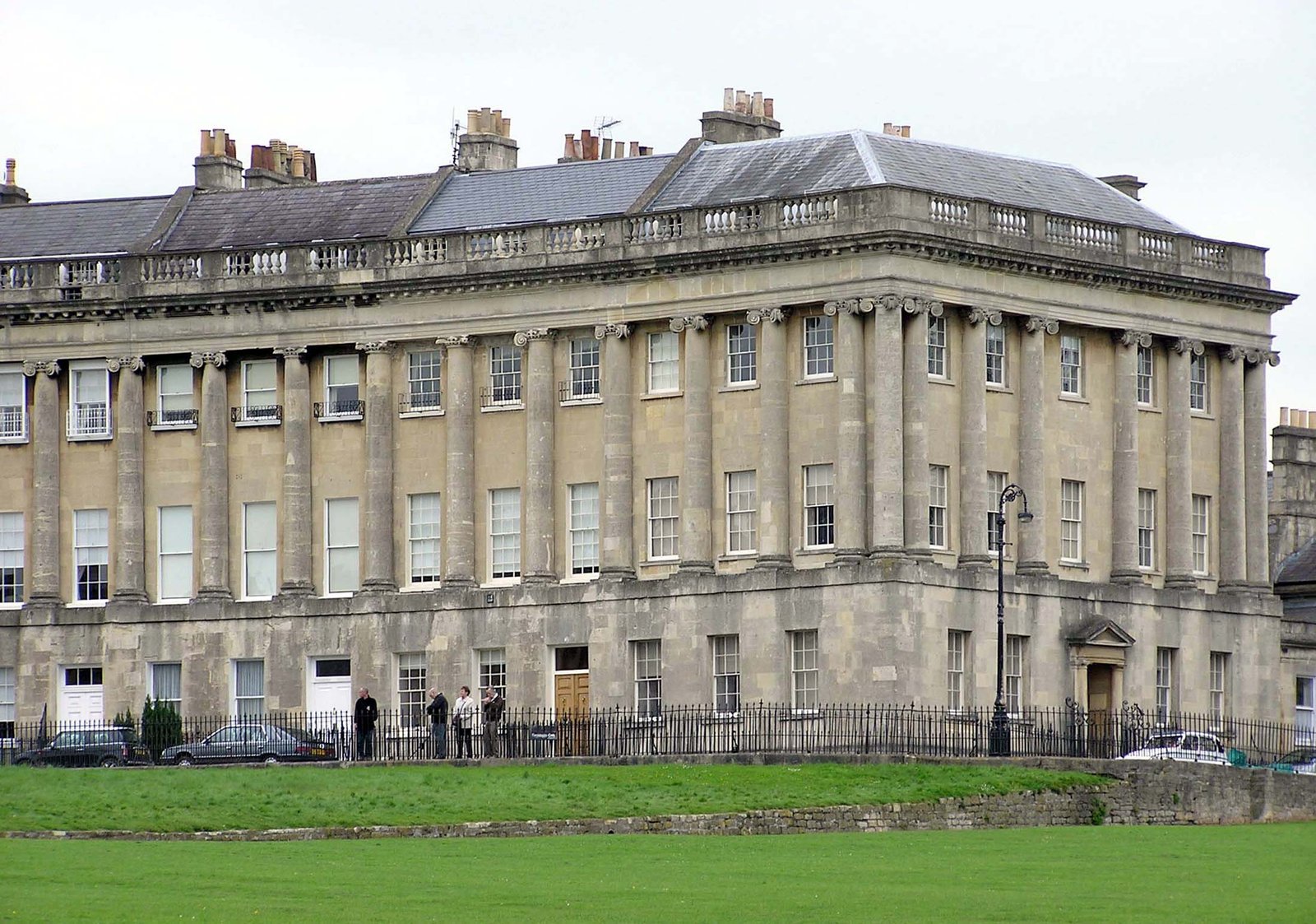
Follow Brock Street to the Royal Crescent. Designed by John Wood the Younger and built between 1767 and 1774, its long curve opens out towards the green space below. No.1 Royal Crescent interprets the lives of wealthy residents and their servants, but entering is optional. After a full morning, you may prefer to enjoy the view outside and take a rest.
For a green pause, use public paths below the Crescent towards Royal Avenue, then return towards Queen Square. Stay out of enclosed residents’ grounds. The council has announced autumn 2026 walking and cycling improvements in Royal Victoria Park, so check current notices and follow temporary signs. If access is disrupted, return through Brock Street and Gay Street instead.
Choose a finish you will enjoy
From Queen Square, descend towards the centre via Gay Street, Barton Street and Saw Close, continuing towards Westgate Street and Bath Street. By now, you will probably know what you want: tea and a comfortable chair, a proper supper or that warm soak.
For afternoon tea in a lovely setting, consider the Pump Room. Its current contact page lists morning brunch and bakery service from 10am to noon, and afternoon-tea sittings at noon and 2pm, with a 4pm sitting only at selected times of year. That final sitting would suit this circuit, but confirm it before building the day around it. The venue advertises live music; it also currently warns that its drinking fountain is unavailable during maintenance.
For a later meal, Sally Lunn’s, at 4 North Parade Passage, offers another central option. Its own visitor page currently lists daily opening from 10am to 9pm, except Christmas Day and Boxing Day, with dinner served from 5pm. Reserve directly if supper is an important part of the plan.
Alternatively, make Thermae Bath Spa the final booked event. This is where you can enjoy a warm soak rather than simply look at the ancient pools. Pre-book rather than depending on walk-in availability; the main spa admits visitors aged 16 and over. Bring swimwear and suitable footwear—the operator specifies flip-flops or sliders—and check its access and booking conditions before committing.
Keep the day comfortable
This city walk includes a hill and some uneven old surfaces. Do not assume every part of it is step-free. Choose familiar shoes with grip, carry a waterproof layer and leave room in the schedule for rests. The Roman Baths specifically warns of uneven historic surfaces and small gullies; visitors with access requirements should consult the attraction directly.
Related gear: Nalgene 32 oz Wide Mouth water bottle on Amazon. We're a small, independent business. If you buy through our Amazon links, Amazon pays us a small commission. You don't pay a penny more, and it helps us keep bringing you better, honest content. Thank you for supporting us. As an Amazon Associate I earn from qualifying purchases.
You can always leave something for another visit. Skip a museum, spend longer over lunch or turn back before the hill. A good day in Bath is not measured by how many places you manage to see. It is the day you have time to enjoy—and the small things you find yourself remembering on the journey home.
Sources
- FAQs | Roman Baths
- Bath's Official Tourism Information Site | Visit Bath
- Visit Sally Lunn’s – Plan Your Trip to Bath’s Oldest Restaurant
- Contact & Opening Times | Pump Room Bath | Parking & Location
- https://visitbath.co.uk/dbimgs/World%20Heritage%20Site%20Audio%20Tour%20Map.pdf
- Weston to Bath city centre | Bath and North East Somerset Council
- The Circus - Visit Bath
- Find a public toilet | Bath and North East Somerset Council
- Sydney Gardens | Bath and North East Somerset Council
- Plan your visit - The Holburne Museum
- Holburne Café - The Holburne Museum
- Untold Histories of Bath - The Holburne Museum
- PULTENEY BRIDGE, Non Civil Parish - 1394514 | Historic England
- Visiting - Bath Abbey
- Quest: Reverse the Curse | Roman Baths
- Walkthrough | Roman Baths
- Nalgene 32 oz Wide Mouth water bottle on Amazon